Two businesses can offer almost the exact same product, at almost the exact same price, and still get
completely different results. One converts visitors into paying customers. The other gets traffic and
nothing else. The difference is rarely the product itself. Most of the time, it comes down to words.
Copywriting and content writing are often treated as small tasks, something to fill in once the design and the product are ready. In reality, words are doing most of the actual selling. They explain the offer, remove doubt, and quietly push someone from just looking to actually buying.
What Is the Real Difference Between Copywriting and Content Writing?
These two terms get mixed up constantly, but they serve two different jobs inside a business.
• Copywriting is written to get a specific action. Landing pages, ads, email campaigns, and product
descriptions all fall under this. Every sentence is built with one goal, getting the reader to click, buy, or sign up.
• Content writing is written to inform, educate, or build trust over time. Blog posts, guides, and long form articles fall under this. The goal is not an immediate sale. It is building enough trust that the sale happens naturally later.
A business that only does one of these is usually missing something. Copy without content struggles to build trust with new visitors. Content without copy struggles to actually convert the trust it built into paying customers.
What Actually Makes a Brand Identity Work
People do not buy products. They buy solutions to problems they are currently dealing with. Good copywriting understands the problem clearly enough to describe it back to the reader, before offering the solution.
• Clear writing removes confusion, and confusion is one of the biggest reasons people leave a page without taking action.
• The right words build emotional connection, which is often what actually pushes someone to make a decision, even in business to business situations.
• Weak or generic writing makes even a strong product sound forgettable, while strong writing can make an average product sound genuinely worth trying.
This is exactly why two businesses selling the same thing can perform so differently online. One explains the value clearly. The other assumes the reader will figure it out on their own.
How Content Writing Builds Long Term Trust
A single blog post rarely creates an instant sale, but it plays a much bigger role than most businesses give it credit for. Every helpful, well written piece of content is quietly building a relationship with someone who is not ready to buy yet.
• Detailed, useful content shows expertise without directly asking for anything in return.
• Consistent publishing keeps a business visible to search engines and to returning visitors.
• Well researched content becomes something people naturally want to share, which extends its reach far beyond the original readers.
Over time, this builds a kind of trust that paid ads simply cannot buy on their own.
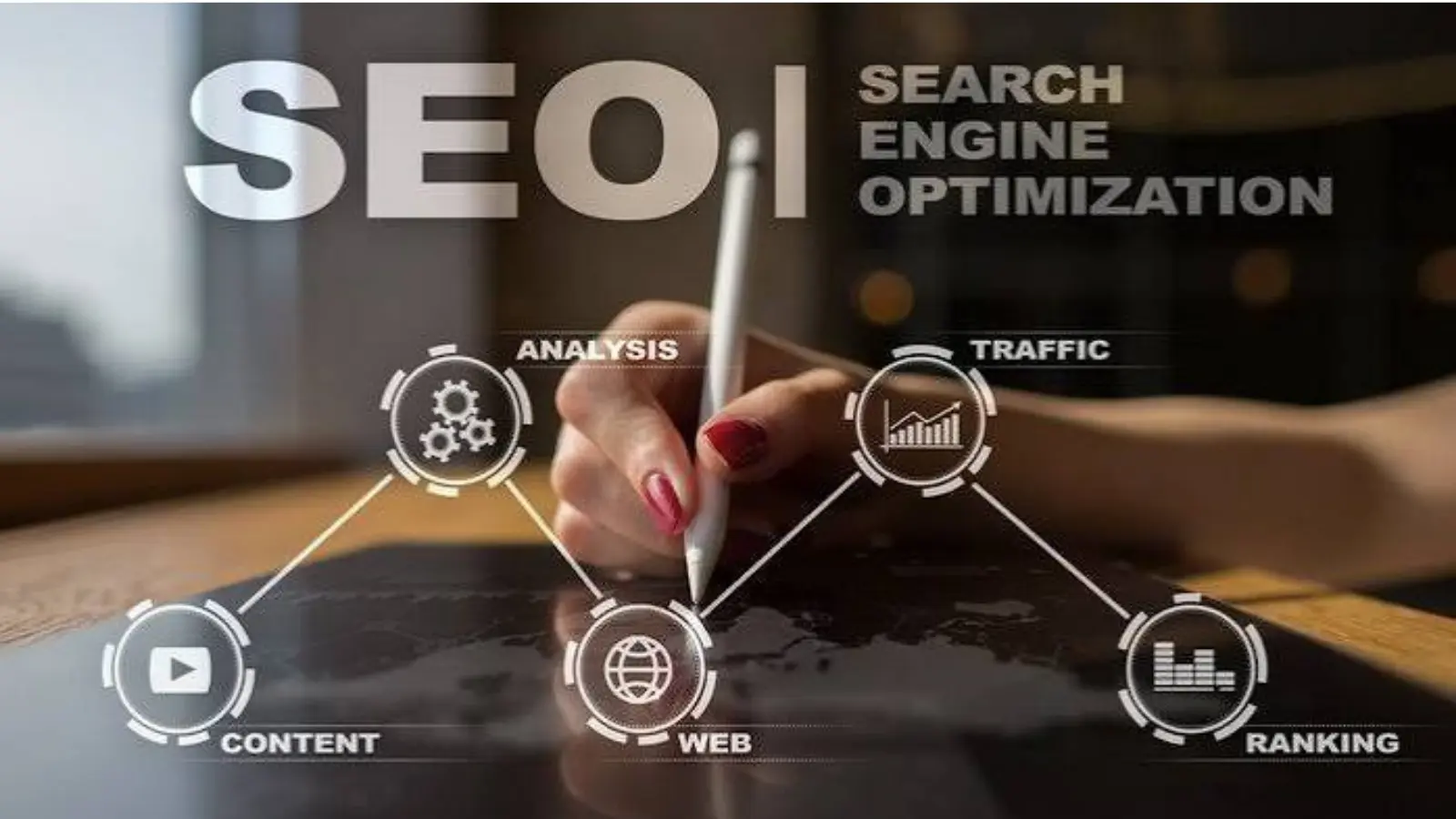
Why This Matters Even More From an SEO Perspective in 2026
Stock photos and generic templates are everywhere, and audiences have become very good at ignoring them without even realizing it. Custom illustrations and original visual assets are becoming one of the easiest ways for a brand to stand out immediately.
What Businesses Often Get Wrong
Search itself has changed. It is no longer only about matching keywords on a page. Search engines and AI systems now judge content based on how genuinely useful and well written it actually is.
• Search engines increasingly reward content that reads naturally and answers real questions clearly, rather than content stuffed with repeated keywords.
• AI powered answer engines and generative search tools tend to pull from content that explains things simply and directly, especially when the first few lines answer the core question without unnecessary filler.
• Getting cited inside an AI generated answer, sometimes called generative engine optimization, depends heavily on content that includes clear explanations, real examples, and credible detail, not just technical keyword placement.
This means good writing is no longer separate from SEO. It has become one of the main things SEO actually depends on. A page can be technically perfect, fast, and properly structured, and still fail to rank or convert if the writing itself is weak, vague, or clearly written for a machine instead of a real person.
What Strong SEO Focused Writing Actually Looks Like Today
• It answers the reader’s real question early, instead of building up to it slowly.
• It uses natural, conversational language, similar to how people actually search and speak, rather than stiff, overly formal phrasing.
• It includes specific details, examples, and clear explanations, since vague content rarely gets selected by search engines or AI answer systems.
• It stays organized with clear headings, so both readers and search engines can quickly understand what each section is actually about.
Common Mistakes Businesses Make With Their Writing
• Writing only about the business itself, instead of writing about the problems the audience is actually searching for solutions to.
• Publishing content once and never updating it, even as questions and search trends naturally change over time.
• Using vague, generic language that could apply to literally any competitor in the same industry.
• Focusing entirely on sounding impressive, instead of focusing on being genuinely clear and useful.
Where Should a Business Actually Start?
- Identify the real questions and problems the target audience is already searching for, instead of guessing what to write about.
- Write copy that speaks directly to those problems, using simple, clear language instead of generic sales language.
- Build a consistent content writing habit, so trust and search visibility grow steadily instead of appearing in short, random bursts.
Final Thought
A business can have the best product in its industry and still lose customers simply because the words around it fail to explain that value clearly. Copywriting sells. Content writing builds trust.
Together, done properly and written with real people in mind, they are what actually turn visitors into customers, and search engines and AI systems are only rewarding that approach more with every update.